
To get people to truly collaborate, you have to shift from oversight to ownership. Real collaboration requires an environment where independence is a requirement for growth, excellence, and trust. When we focus on outcomes rather than methods, the barriers to teamwork naturally begin to dissolve.
In my experience, effective workplaces are built on clarity, trust, and respect for professional judgment. Here is the framework for building a collaborative environment that scales.
-
 Shift from "Performing for Approval" to "Performing for Results"
When people have the independence to work in their own way, they stop performing for approval and start performing for results. Instead of deciphering shifting goalposts, they focus on using their skills to solve real problems. When the goal is the result, people naturally reach out to others who can help them reach it better. -
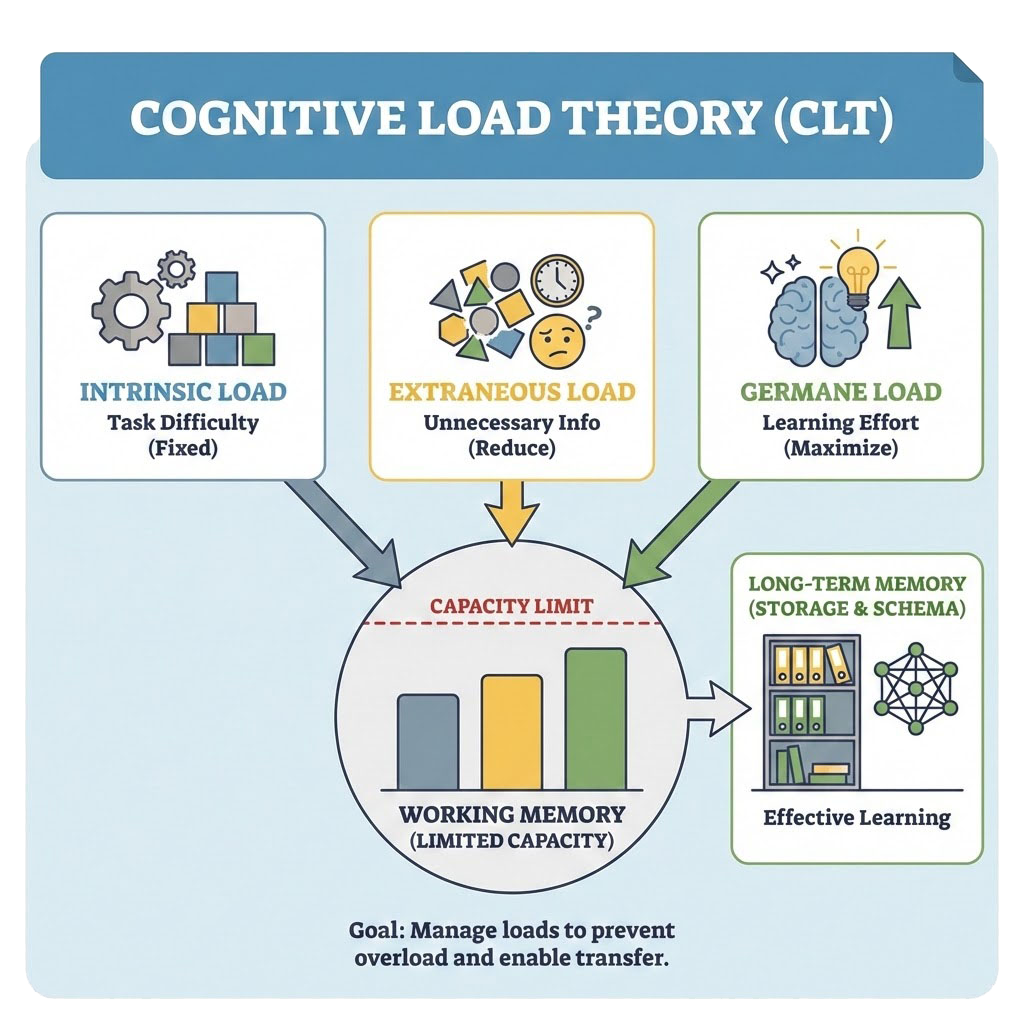 The Cognitive Cost of Oversight
Micromanagement imposes a heavy extraneous cognitive load. When oversight is constant, an individual’s working memory is diverted away from the task and consumed by self-monitoring and approval-seeking. This mental tax creates a bottleneck in executive function, resulting in slower decision-making and a diminished capacity for the complex problem-solving that high-level work requires. -
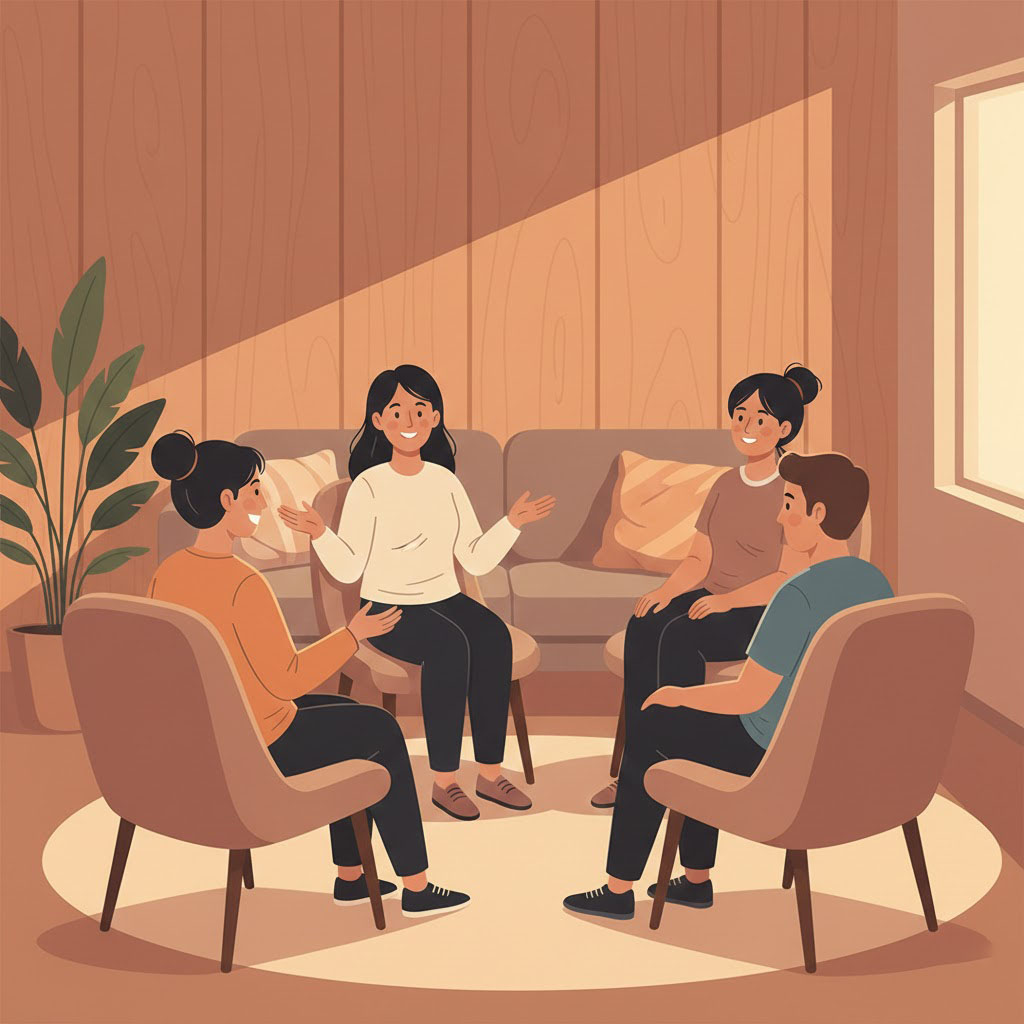 Establish Psychological Safety as a Baseline
High-performance teams believe they can act independently without fear of punishment for reasonable mistakes. High-trust environments correlate with higher learning rates and stronger collaboration. By lowering the stakes for failure, you invite every team member to become a co-architect of the solution. -
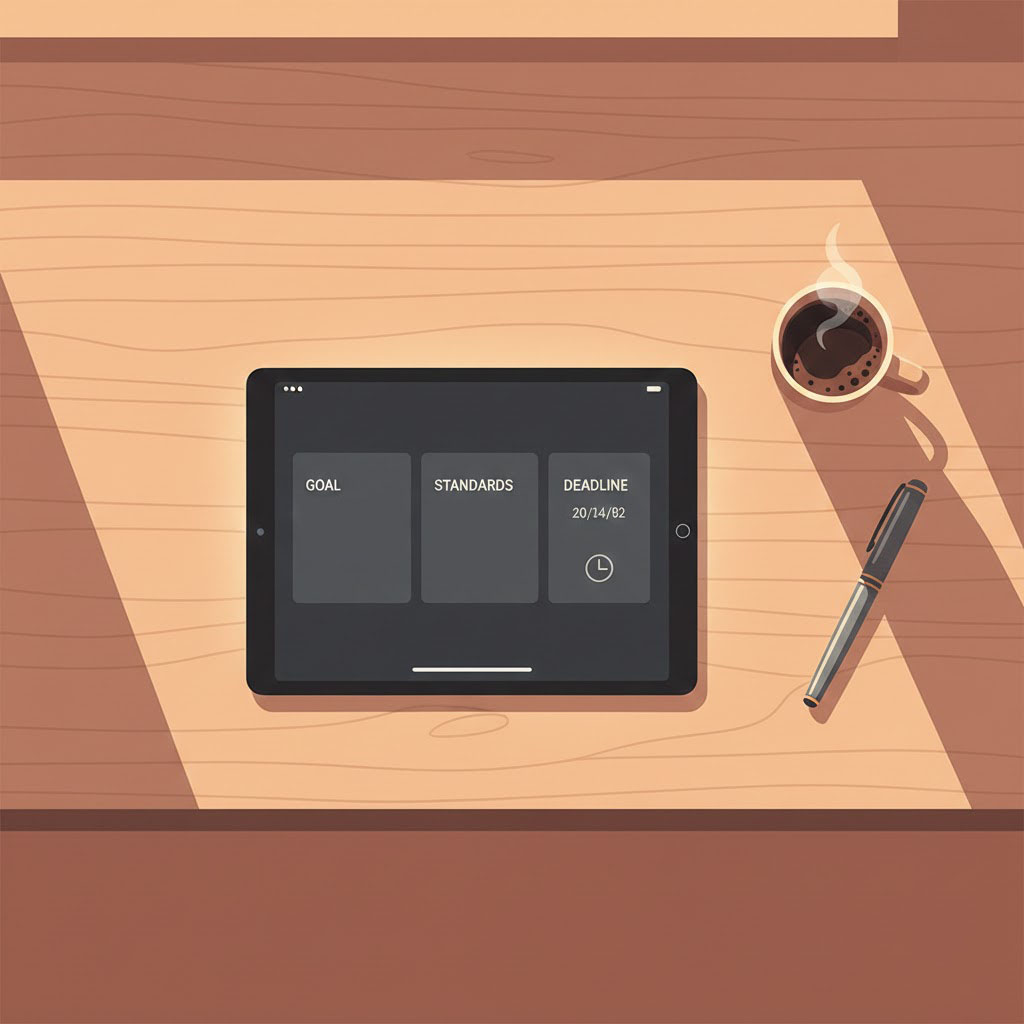 Define the Outcome and Step Back
Independence only works when boundaries are clear and expectations are explicit. In a leadership role, the responsibility is to define what success looks like, not to dictate every method. When outcomes are clear but methods are flexible, people experiment, adapt, and improve processes organically. -
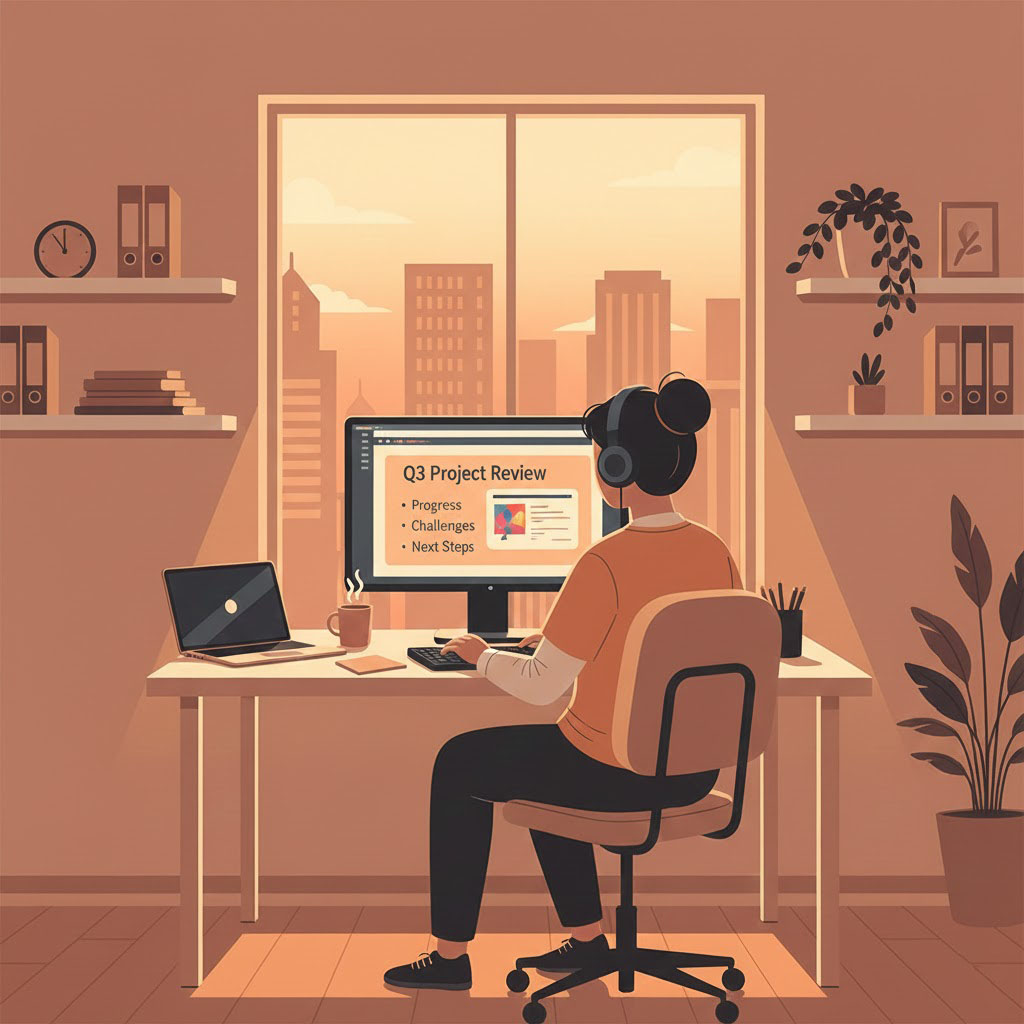 Optimize for "Async" and Deep Work
Excessive control undermines quality, consistency, and predictability. True synergy often occurs when individuals have the space to think independently. By trusting people with autonomy, you allow them to plan better and take responsibility when things go wrong.
The reality of experience.
The longer I work in a senior role, the more convinced I am that independence is a deliberate choice that strengthens both people and systems. When individuals are trusted to work in their own way within clear standards, they grow, they excel, and they contribute to something sustainable. Controlling methods instead of outcomes ultimately produces weaker results.